If you haven’t noticed it by now several brands are being weird…really weird. Nowadays you’ll frequently see brands talking to consumers like they’re close friends. Posting funny gifs, sharing memes, and making relevant pop culture references.
Surprisingly enough, it works!
People on social media seem to enjoy the variety of personalities that different brands have that they’re engaging with those companies more. Take for instance the hilarious Denny’s Tumblr account, the sassy Wendy’s Twitter Account, or the strange memes at KFC Spain. All of those accounts usually get tons of attention, engagement, and shareability; does that mean the secret to marketing in 2021 is being as weird, sassy, and freaky as possible?
Well, yes. But actually, also no.
There is a fine line between relatability and pandering, and making a few jokes here and there won’t necessarily get people’s attention. So today we’re taking a look at how you can advertise to Millennials and Gen Z without being patronizing.
What You Shouldn’t Do
Marketing to Millennials and Gen Zers is a very broad and often subjective topic, with several people having different opinions over what you should or shouldn’t prioritize. Perhaps the most definitive way we can help you learn how to target this market is by teaching you what you shouldn’t do first.
Many marketing campaigns have fallen flat when it comes to trying to market towards younger generations and this usually stems from a lack of understanding.

Surface-Level Jokes
First and foremost, you should avoid making surface-level memes, references, or jokes to try and get their attention. You can’t just slap a picture of a cute animal on a poster then put a funny caption over it, that’s been done. You’re going to need to understand the nuances of various memes and jokes as well as be inventive with the format.
Today’s generation enjoys seeing different takes on the new meme of the week so making a clever subversion of that format could help you get a lot of attention. This also means you’re going to need to stay up to date on what’s new on social media. So, forget about memes from 2 years ago and focus on what’s new and trending.
While we’re on the subject of surface-level jokes, don’t try to use relatable language to try and catch a younger audience because it might not go well. Millennials and Gen Zers are quick to notice when brands are trying to pander to them. Because of that, using relatable language without understanding the context behind them can easily make you look bad.
Misrepresentation/Misunderstanding of Social Issues
Teenagers and young adults today are very socially conscious. These days we’re more interested in how the products were made, where they’re made, and if the company behind it is morally questionable or not.
With that in mind, one of the worst things you can do when marketing to millennials and Gen Z is making a poor attempt at addressing social issues.
Here are a few good examples of mishandling social issues in marketing:
- The Pepsi ad with Kendall Jenner, where she magically stops a protest-related conflict by giving a policeman a Pepsi, causing both the protesters and police to cheer in unison.
- That time DiGiorno’s Pizza made a tackless attempt to advertise their pizzas through the hashtag #WhyIStayed. A hashtag about people sharing their experiences with domestic violence.
- When Calvin Klein made Bella Hadid passionately make out with a CGI woman to pander to the LGBTQ+ community.
- That time Burger King made a tweet to highlight the gender ratio in the culinary industry on women’s day by starting with the words: “Women belong in the kitchen.”
The main takeaway here is that you shouldn’t suggest your product can save the world, you shouldn’t misrepresent minorities, and you definitely shouldn’t misunderstand a trending hashtag. If you want to prove that you’re socially conscious, you can sponsor or donate to different causes or include real members of the community you’re trying to reach out to.
What You Should Do
Nowadays marketers are becoming more informal with their language and they’re getting weirder in their branding, and it works.
There is a reason why weird works for the teenagers and young adults of this generation, and it can be summed up in one word: authenticity.
Pandering works, but you have to do it right. And this generation can easily catch on if you’re doing it wrong.
Sincerity and Authenticity

You can still make in-jokes, memes, or pop-culture references in your marketing; you just have to know what you’re talking about.
Millennials and Gen Zers are quick to catch on to disingenuous attempts at being relatable and appreciate honesty and sincerity. Being straightforward, honest, and informal helps when pandering to this generation. Don’t try to make surface-level attempts at humor, weirdness, or social consciousness because they will quickly call you out on it or make fun of you for it.
If you’re looking for examples, brands like Denny’s, Netflix, and National Geographic understand the importance of relatable content and interacting with consumers.
The main takeaway here is that you need to take a calculated risk, be informal, be amusing, and be approachable. All the while being genuine and sincere with the message you’re trying to share.
Don’t hop on to trends or hashtags without understanding the context behind them and don’t copy a trend just because someone else has found success with it. Like how Planters killed off Mr. Peanut Planter so they could piggyback off the success of Baby Yoda with Baby Nut.
Most importantly, do not be disingenuous when tackling social issues. Millennials and Gen Zers won’t appreciate it when you try to pander to them with fake diversity and inclusivity. Prove to them that you truly care and don’t use harmful stereotypes in your marketing or branding.
Nowadays it’s pretty common to see brands doing something out of the ordinary. Whether they’re using strange mascots, surreal visuals, pop art, or odd dance commercials, you can see brands utilize weirdness with varying degrees of success. Brands today will often use memes, pop culture references, odd personas, and some even take it to the extreme with alternate reality game puzzles (ARGs).
Marketing has gotten more informal over the years, but the question is why? Today we’re taking a look at the psychology behind brand personality, its importance, and why things have taken a turn for the weird.
Brand Personality & the Psychology Behind it
To give a brief description, brand personality refers to a set of human characteristics, intellect, behaviors attributed to a brand. In short, a brand personality is basically what your brand would be like if they are a real person, and like a real personality, it has to be likable.
Unlike real people, a brand’s personality isn’t just made by one person. It is a meticulous and strategic creation made to help establish a rapport with consumers. These personalities are built around a core framework that involves the following dimensions:
- Sincerity – Honesty & authenticity.
- Excitement – Creativity, uniqueness, & originality.
- Confidence – Reliability & success
- Sophistication – Charm & quality
- Ruggedness – Adventurousness, toughness, and power
Each dimension helps brands shape the identity that they want to portray to their consumer and works as a solid foundation that can be used for more creative changes to your personality. However, whether they realize it or not, they are always looking for a brand that relates to them. But why does brand personality matter? Why go through all this trouble?
Why is it important?

The purpose of having a brand personality is simple: it creates recognizable traits that consumers can empathize, associate, or relate with. This persona is why people associate cafes with comfort or serenity, sports with sneakers, or wealth with sports cars.
With so many competitors in the market today standing out can be a challenge and one of the best ways to tackle that challenge is through carefully crafted personalities to boost awareness, increase loyalty, and establish a solid identity. Whether your brand’s attitude is energetic, intellectual, aloof, cheerful, passionate, etc., the goal is to relate to your consumer on an emotional level.
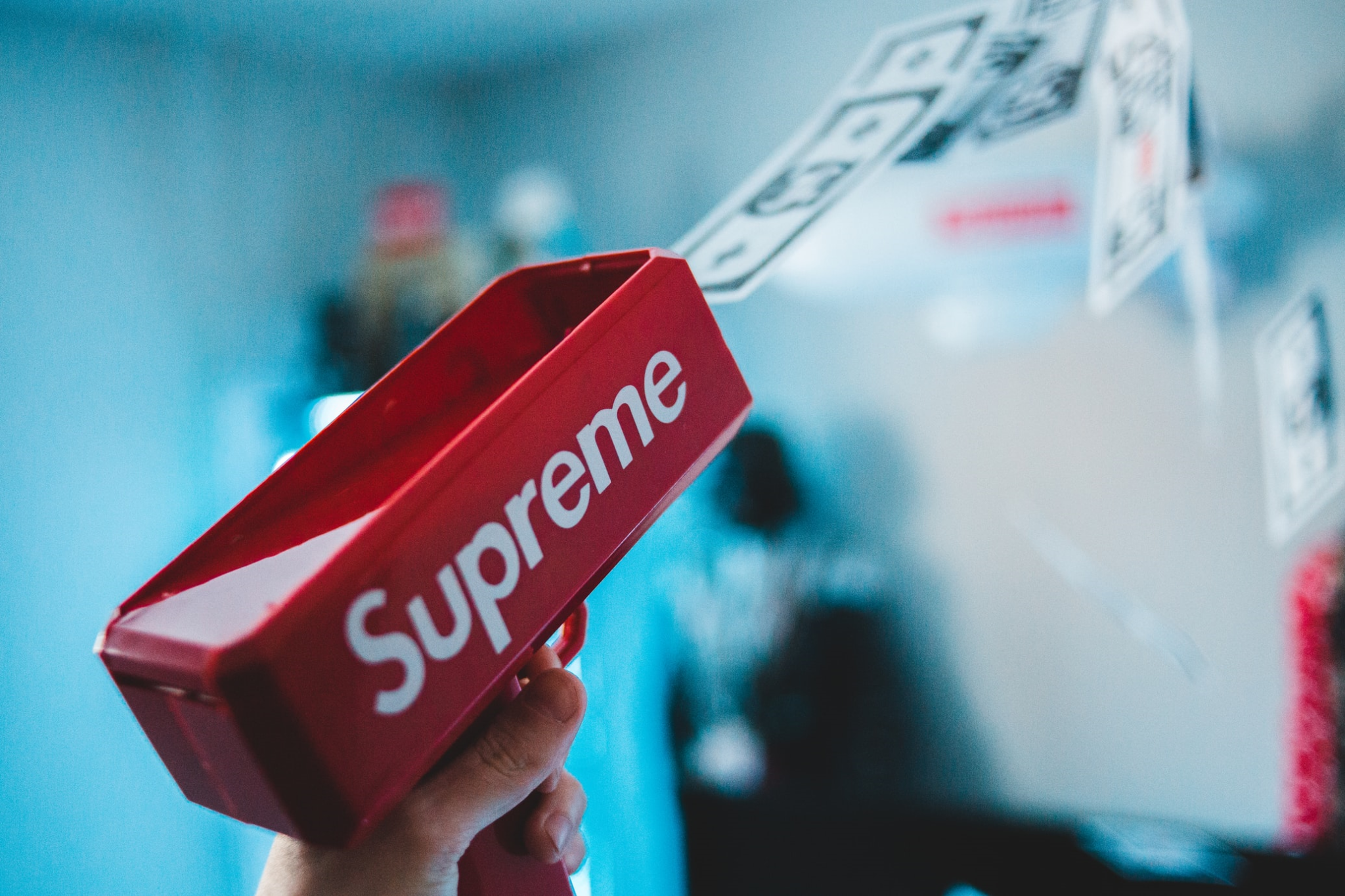
Take clothing brands as an example: people don’t just buy clothes for specific brands because of the aesthetic alone. They’re also buying them for the brand’s identity. Several people line up to purchase new items from brands like Supreme or Gucci simply because it’s made by Supreme or Gucci.
Why is Weird the New Black?

In recent years, we’ve seen a rise of strange personalities for brands. Fast food mascots are being sassy, video game companies are making/sharing memes on social media, product commercials using surreal visuals, and even tantalizing mysteries made to promote music or movies. There is a proliferation of strange or weird marketing, but why?
One of the reasons for this phenomenon could be because the internet thrives off parody. Many videos and images on the internet have gone viral simply because they’re making parodies from shows, movies, games, etc. Marketers know this and make parodies of their own or intentionally create something worthy of parody.
However, a more simple reason is that weirdness just stands out. In today’s modern internet age, getting attention can be very challenging, especially when marketing to younger audiences. One of the best ways to tap into that market is by throwing caution to the wind and being quirky and funny. And with so many young adults today that are wary of marketing tactics, brands have to keep pushing the envelope to make things work.
Things To Look Out For

While being weird and relatable to younger audiences and consumers is a great idea it’s also a double-edged sword.
Brands run the risk of becoming too gimmicky, tacky, or downright embarrassing when the marketing isn’t handled properly. There are even several disasters in regards to relatable marketing.
The key to having a unique and weird brand personality is by staying true to your already established brand. You don’t have to reinvent the wheel, just stick to what works and add some surreal spice to it. If you can keep the identity of your brand consistent while promoting strange content you’ll find success.