
Cost effective marketing is about maximizing return on investment, not just minimizing spend. Here’s what defines truly cost-effective marketing:
Cost-Effective Marketing vs. Cheap Marketing:
| Cost-Effective Marketing | Cheap Marketing |
|---|---|
| Focuses on ROI and measurable results | Focuses only on low price |
| Strategic resource allocation | Random, scattered efforts |
| Builds long-term customer relationships | Short-term thinking |
| Leverages existing assets (customers, employees, content) | Ignores available resources |
| Tests, measures, and optimizes | No tracking or improvement |
Key Cost-Effective Strategies:
- Content Marketing – Blogging, video, and repurposed content that attracts customers organically
- SEO – 46% of all Google searches are looking for local information
- Email Marketing – Delivers the highest ROI for 43% of B2B SaaS marketers
- Customer Referrals – People are 4x more likely to buy based on a friend’s recommendation
- Micro-Influencers – Generate 4x more engagement than major influencers at a fraction of the cost
- Employee Advocacy – Employee networks are 10x larger than company follower bases
The reality is that limited budgets can actually drive better marketing outcomes. When you can’t outspend competitors, you’re forced to outsmart them with creativity, strategic thinking, and authentic relationship building.
Strategic Planning for High-Impact Results
Effective marketing in the tech sector starts with a solid plan. While many startups view marketing as an expense, the Small Business Administration (SBA) notes, “Marketing isn’t an expense – it’s an investment, one that drives your sales.” This perspective is crucial for understanding cost effective marketing.
A well-defined marketing plan helps us understand target customers, allocate resources wisely, and track progress. It ensures every penny spent and hour invested serves a clear purpose, leading to a higher return on investment (ROI).
Developing a Lean Marketing Plan and Budget
Crafting a lean, impactful marketing plan for tech ventures begins with clarity.
First, set clear, measurable goals. Are you aiming for more leads, higher conversion rates, or increased brand awareness? Knowing your objectives allows you to tailor strategies and accurately assess their success.
Next, understand your audience by creating detailed buyer personas. Who are your ideal customers? What are their pain points and needs? Where do they seek information? Defining your niche and creating these personas ensures your marketing content aligns with their customer lifecycle and resonates effectively.
Budgeting for marketing is essential. While there’s no universal rule, many businesses allocate a percentage of their revenues. A Small Business Trends report indicates that the average business spends about 1.08% of its revenues on advertising, though this varies by industry. These figures can serve as a rough guide, but the real magic happens when we view our marketing budget as a strategic investment. You can learn more about creating a solid foundation for marketing efforts with this easy guide from the Small Business Administration (SBA).
Finally, track marketing ROI relentlessly. Differentiate between good traffic that converts and bad traffic that bounces. By tracking metrics like conversion rates and traffic sources, you can identify what’s working.
This iterative process of tracking, analyzing, and optimizing is the hallmark of truly cost effective marketing.
Mastering Digital Channels for Cost-Effective Marketing
A strong online presence is a necessity for tech companies. Fortunately, many digital channels offer cost-effective ways to reach target audiences and drive growth.
1. Dominate Search with Strategic SEO
Search Engine Optimization (SEO) makes it easier for customers to find you when they’re searching for solutions you offer. It’s a remarkably cost-effective strategy.
A simple, impactful first step is optimizing your Google Business Profile. This free profile details your location, website, and phone number, letting you engage with customers where they’re already looking. Why is this so crucial? Because 46% of all Google searches are looking for local information. For tech companies with local services or offices, this is a non-negotiable step. Furthermore, 97% of people search online to find nearby stores, and 28% of those local searches end in a purchase.
Beyond local SEO, focus on on-page SEO for your tech website. This involves crafting relevant, high-quality content that naturally incorporates keywords your audience uses. Keyword research helps you find these terms and understand what problems your potential customers are trying to solve.
Backlink building doesn’t have to break the bank. Start by requesting credit from service providers you use or getting listed in industry-specific directories. Platforms like Help a Reporter Out (HARO) and SourceBottle also offer opportunities to gain valuable backlinks by providing expert quotes to journalists, which we’ll discuss more under PR.
2. Build Authority with Content
Content marketing is the engine of successful cost effective marketing in tech. It attracts and engages audiences with valuable, relevant information and storytelling. The backbone of any successful inbound marketing campaign is content.
Blogging for SEO: Regularly publishing helpful blog posts positions you as a thought leader and improves search engine rankings. It’s a long-term investment that builds your brand’s reputation and provides a continuous stream of organic traffic. You can also explore guest blogging on other reputable tech sites to reach new audiences and gain backlinks.
Repurposing Content: The beauty of content marketing is its versatility. A single blog post can be repurposed into social media graphics, an infographic, a short video, or a podcast episode, maximizing the return on your content creation investment.
Video Marketing Power: Video is increasingly dominant and engaging, as it’s processed 60,000 times faster than text. It’s an accessible format that often doesn’t cost much to produce with modern smartphones and editing tools. Explainer videos, behind-the-scenes content, or customer testimonials can significantly boost reach and connection.
Podcasting for Niche Audiences: Starting a podcast is another fantastic way to engage specific tech niches. You can share expertise, interview industry leaders, and build a loyal following. It takes, on average, around two hours to record an episode each week, and sharing podcasts is free, making it an excellent choice for cost effective marketing.
Gated Content for Lead Generation: For B2B tech companies, comprehensive assets like ebooks, whitepapers, or templates are incredibly valuable. By gating these assets behind lead generation forms, you can capture contact data and nurture potential clients through your sales funnel. Promoting these assets through social media, email, and targeted search ads can yield high-quality leads.
3. Engage and Convert with Smart Social Media
With the right strategy, social media is a powerful and cost effective marketing tool. Be strategic about platform selection and content. For B2B tech, platforms like LinkedIn are often goldmines for connecting with decision-makers and industry professionals.
User-Generated Content (UGC): This is marketing gold. UGC is any media created by a person rather than a brand. It’s beneficial because it’s free to acquire and it fosters authentic trust. Research shows that consumers trust UGC 50% more than other types of posts. Encouraging customers to share their experiences with your tech products provides you with free, credible marketing material.
Running Contests and Giveaways: Social media contests and giveaways are time-tested tactics that generate excitement and engagement. They encourage participants to share content, expanding your reach organically and demonstrating massive impact with minimal creation cost.
Building an Online Community: Creating consistent, high-quality content that uses hashtags and account tagging is fundamental. Go further by fostering genuine communities. Private social groups on platforms like Facebook or LinkedIn allow you to share expertise and build strong relationships with your most loyal customers.
Hashtag Campaigns: A well-crafted hashtag campaign can spark engagement without a big ad spend. By creating a branded hashtag and encouraging its use, you can monitor audience engagement and join conversations, driving significant awareness for minimal cost.
4. Nurture Leads with High-ROI Email Marketing
Email marketing remains one of the most cost effective marketing channels. In fact, 43% of B2B SaaS marketers cite email as delivering the highest ROI, making it a key strategy for customer acquisition and retention.
Building an Email List: The first step is to grow your email list. Achieve this through lead magnets like free webinars, ebooks, or exclusive content offered in exchange for an email address. Tools like HubSpot’s Campaign Assistant can even help generate content for these lead magnets.
Audience Segmentation and Personalization: The real power of email marketing lies in segmenting your audience and personalizing messages. Well-segmented emails drive 30% more opens and 50% more click-throughs. By understanding your tech audience’s specific needs, you can send highly relevant content and offers.
Marketing Automation and A/B Testing: Once your list grows, marketing automation can help send targeted email journeys based on user behavior. And always A/B test. Experiment with different subject lines, calls-to-action, and content formats to continually optimize your campaigns for maximum engagement.
Turning Your Network into a Growth Engine
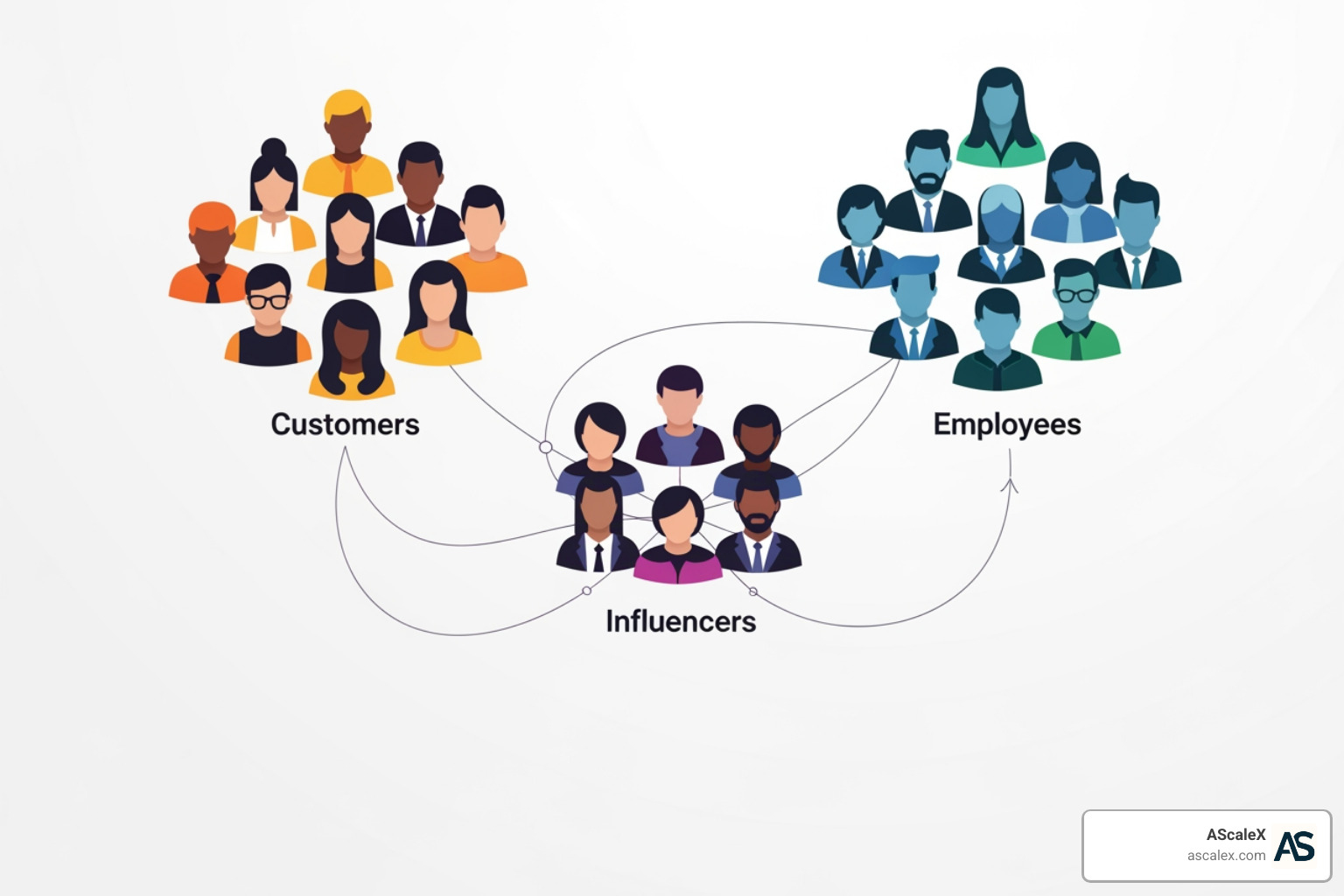
In tech, trust and reputation are important/ Leveraging your brand’s network is a powerful and cost effective marketing strategy.
5. Activate Your Customer Base with Referral Programs
Your existing customers are your best advocates. Since acquiring a new customer is five times more expensive than retaining an existing one, nurturing your client base has immense value.
Word-of-Mouth Marketing: People who hear about a product from a friend are four times more likely to make a purchase. This organic word-of-mouth is incredibly powerful. Referred customers also have a 16% higher lifetime value compared to non-referred customers, making them highly valuable.
Referral Incentives and Loyalty Programs: Formalize this with a referral program. A “double-sided reward” structure, where both the referrer and the new customer get an incentive (e.g., a discount or bonus features), is highly effective. Customer loyalty programs are also a win-win, incentivizing customers to engage more by offering perks in exchange for purchases or participation. This encourages repeat business and turns customers into enthusiastic brand ambassadors.
6. Leverage Micro-Influencers for Cost-Effective Marketing at Scale
Micro-influencers offer a more accessible and effective path for cost effective marketing than expensive macro-influencers, especially in niche tech markets. They have smaller (1,000 to 100,000) but highly engaged followings.
Benefits of Micro-Influencers:
- Niche Authority: They have deep expertise and credibility within specific tech communities.
- Higher Engagement: Micro-influencers typically generate higher engagement rates. In fact, micro-influencers attract more than four times the engagement than bigger personalities.
- Authenticity and Trust: Their smaller size allows for more authentic connections with followers, who trust their recommendations.
- Cost-Effectiveness: Partnership costs are substantially lower, often involving product exchanges or modest fees.
Finding and Vetting Tech Influencers: Identify micro-influencers who already discuss products similar to yours. When vetting, prioritize engagement over follower counts. Starting relationships with product exchanges can test effectiveness before committing to payment. Always request detailed analytics to measure the ROI of collaborations.
7. Empower Employees as Brand Advocates
Your employees are an untapped, authentic marketing resource whose networks are larger and more influential than you might realize.
Employee Advocacy Benefits: A LinkedIn study revealed that employees’ networks are, on average, 10 times larger than a company’s follower base. Content shared by employees also receives twice the click-through rate compared to the same content shared by the company. This allows you to reach new audiences for free, building trust through familiar faces.
Content Sharing Culture: Encourage a culture where employees feel empowered to share company news and content. Providing them with easy-to-share updates, branded assets, and recognizing their contributions can foster this. Lemlist, for instance, saw its branded traffic and sales grow tenfold by having every team member post on social media.
CEO Social Media Presence: Research shows that 70% of consumers feel more connected to brands with CEOs that are active on social. When leadership shares insights and engages with the community, it humanizes the brand and builds trust.
Unconventional Tactics for Breakthrough Visibility
When budgets are tight, creativity is your most valuable currency. Unconventional, or “guerrilla,” marketing tactics can generate massive buzz and visibility without the massive price tag of traditional advertising.
8. Generate Free Press with Digital PR
Public relations shapes your brand’s narrative through earned media coverage. Unlike paid advertising, earned PR has greater credibility, making it a highly cost effective marketing strategy.
Press Release Strategy: A well-crafted, newsworthy press release can secure valuable media mentions. What makes a story “newsworthy” for the tech press? Think unique research, significant funding rounds, innovative product launches, or a compelling data report with fresh insights.
Media Outreach and HARO: To get your stories heard, identify relevant journalists who cover your niche. Platforms like Help a Reporter Out (HARO) and SourceBottle are invaluable, connecting journalists with expert sources. By responding to these requests with expert quotes, you can gain media mentions and valuable backlinks for free. Engaging with journalists on platforms like X (formerly Twitter) or LinkedIn can also help you get on their radar.
9. Engage Your Niche with Community and Events
Building relationships within your industry and local tech community leads to organic growth and invaluable networking opportunities.
Online Community Building: Consider creating dedicated online communities on platforms like Slack or Discord. These spaces allow you to share expertise, provide support, and foster a sense of belonging among your users.
Hosting Webinars and Live Streams: Hosting free webinars or live streaming events is a fantastic way to engage your audience in real-time, boosting credibility and generating leads. Virtual events are often highly effective for lead generation, with marketers reporting conversion rates between 9% and 30% after customers attended live streams.
Speaking at Industry Events: Positioning your team members as expert speakers at tech conferences, local meetups, or online summits is an excellent way to gain visibility and establish authority. Many events welcome passionate speakers, often for free.
Local Tech Meetups and Networking: Networking and collaborating with other businesses can build awareness and expand your reach. Attending local tech meetups or joining community-based LinkedIn and Facebook groups allows you to connect with peers, potential partners, and customers.
10. Create Buzz with Creative Guerrilla Marketing
Guerrilla marketing uses unconventional activations to create memorable brand interactions. It’s about outsmarting, not outspending, the competition.
Unconventional Tactics for Tech:
- Strategic Billboards: A massive impression doesn’t require a massive budget. A simple, clever message in the right place can cut through the noise. For instance, a short digital billboard slot in a high-traffic area can cost as little as $500, and amplifying a photo of it on social media can create the perception of a much larger campaign.
- Conference Pop-Ups and “Hijacks”: Instead of an expensive booth at a major tech conference, “hijack” the surrounding environment with pop-up experiences, branded ride-sharing vehicles, or flash mobs that draw attention and create user-generated content.
- Regional Media Buys: For high-profile events, a strategic regional media buy in a key tech hub can reach your target audience for a fraction of the cost of a national ad.
- Interactive Stunts: Create interactive installations or experiences at tech festivals or public spaces that invite participation and encourage social sharing.
The beauty of guerrilla marketing is its viral potential. These creative engagements organically lead to sharing and buzz as people post photos and videos on social media.
Frequently Asked Questions About Low-Cost Marketing
How do I measure the ROI of cost-effective marketing?
Measuring ROI is paramount to ensure cost effective marketing is impactful, not just cheap. It requires connecting marketing activities to tangible business outcomes.
Key Metrics to Track:
- Customer Acquisition Cost (CAC): How much does it cost to acquire a new customer through a specific channel?
- Customer Lifetime Value (LTV): What is the total revenue you expect from a customer? Ideally, LTV should significantly outweigh CAC.
- Conversion Rates: The percentage of users who complete a desired action (e.g., sign up for a demo, download an ebook).
- Website Traffic & Engagement: Monitor unique visitors, time on site, and bounce rate to indicate content effectiveness.
- Social Media Engagement: Look at likes, comments, shares, and click-through rates.
- Email Marketing Metrics: Track open rates, click-through rates, and conversion rates.
Attribution Models: Understanding which touchpoints contribute to a conversion is key. Simple models (first-touch, last-touch) or more complex multi-touch attribution can help clarify the customer journey.
Analytics Tools: Leverage free tools like Google Analytics, social media insights, and email platform analytics to track performance. Asking new customers how they heard about you is also a simple, effective way to gather data. Setting clear, measurable KPIs from the outset is crucial.
What’s the most impactful first step for a tech startup with zero budget?
For a tech startup with no marketing budget, we recommend this foundational approach:
- Claim and Optimize Online Profiles: This is free and powerful. Start with Google Business Profile for local visibility and a professional LinkedIn company page. Ensure all information is accurate and showcases your value proposition.
- Create One Piece of Cornerstone Content: Don’t try to do everything. Identify one critical pain point your audience faces and create an exceptionally valuable piece of content to address it, such as a comprehensive blog post or a detailed guide.
- Focus on a Single Social Channel: Instead of spreading yourself thin, identify where your target audience is most active (often LinkedIn for B2B tech) and concentrate your efforts there. Build a genuine presence and engage authentically.
The key is to start small, execute flawlessly, and then scale up as you see results.
How much time should I dedicate to these strategies?
Cost effective marketing often requires a higher time investment, especially initially.
For a startup, we recommend dedicating 5-10 hours per week to focused marketing. This time should be strategically allocated:
- Content Creation: Dedicate time to writing blog posts, scripting videos, or preparing podcast episodes. You can collaborate internally to leverage each other’s expertise for promotion.
- Social Media Engagement: Actively participate in relevant online communities, respond to comments, and share valuable content. Six to eight hours a week of an employee’s time is often suggested for social media.
- Networking: Attend virtual or in-person industry events and connect with peers.
The goal is consistency. It’s better to do a few things well and consistently than to attempt many things sporadically. As you see results, you can gradually increase your time investment or strategically allocate a small budget to amplify your most successful efforts.
Turn Smart Marketing Into Sustainable Growth
In the dynamic world of tech, cost effective marketing is about strategic investment, creativity, and building genuine relationships. By focusing on smart planning, leveraging digital channels, empowering our networks, and embracing unconventional tactics, we can open up significant growth even with limited resources.
The journey from startup to scale often hinges on our ability to outsmart, not outspend, the competition.
For tech companies looking to implement these strategies at scale, AScaleX provides flexible, expert creative and marketing support. We help you translate these principles into high-impact campaigns that drive measurable results and allow you to focus on innovating and growing your business. Learn how our services can accelerate your growth.