

From the earliest commercials to the latest movie trailers, marketing in videos has been around since the dawn of television.
Over the years video marketing has proven to be effective for promoting almost anything. But things have changed since then with the revolution of the internet. Nowadays it’s easy to ignore ads, skip videos, and even outright block ads. Meanwhile, videos that do get noticed have a chance of becoming popular and trendy or get mercilessly ridiculed.
However, this isn’t the first time videos have been used for marketing. Over the years many people have improved upon effective strategies for video online marketing and today we’re sharing it with you.
1. Setting Goals
First of all, you’re going to need to know what your vision for this video is. Is it going to be a product demo, an informative video, or an expert interview?

Knowing what kind of video you want helps you understand how you want to reach your audience and how to prepare for it. This includes the video’s budget, the editing style, and even the platform you’ll be showing it on.
Once that’s done, you’ll want to make a video around the marketing funnel. This can be a single video or a series of videos where you build up interest by creating awareness for your product, engaging with your audience, nurturing their prospects, and finally closing the deal with a call to action.
2. Knowing Your Demographic
Now that you understand your goals, the next step is to understand who you’re targeting.
To help you make this decision, it’s important to take a look at age statistics on how frequently your target uses the internet. Understanding what your target demographic is helps you understand what their needs are, how you can provide for them, and what platforms they frequent to help maximize visibility.
Once you’ve established your target demographic, it’ll be easier to cater to them through a voice or persona that best fits your audience. If you already have a persona then that’s great because it’ll help you reach out and relate to your audience.
3. Choosing the Right Platform
When making your videos you have to understand how runtimes work depending on what platform you’re using.
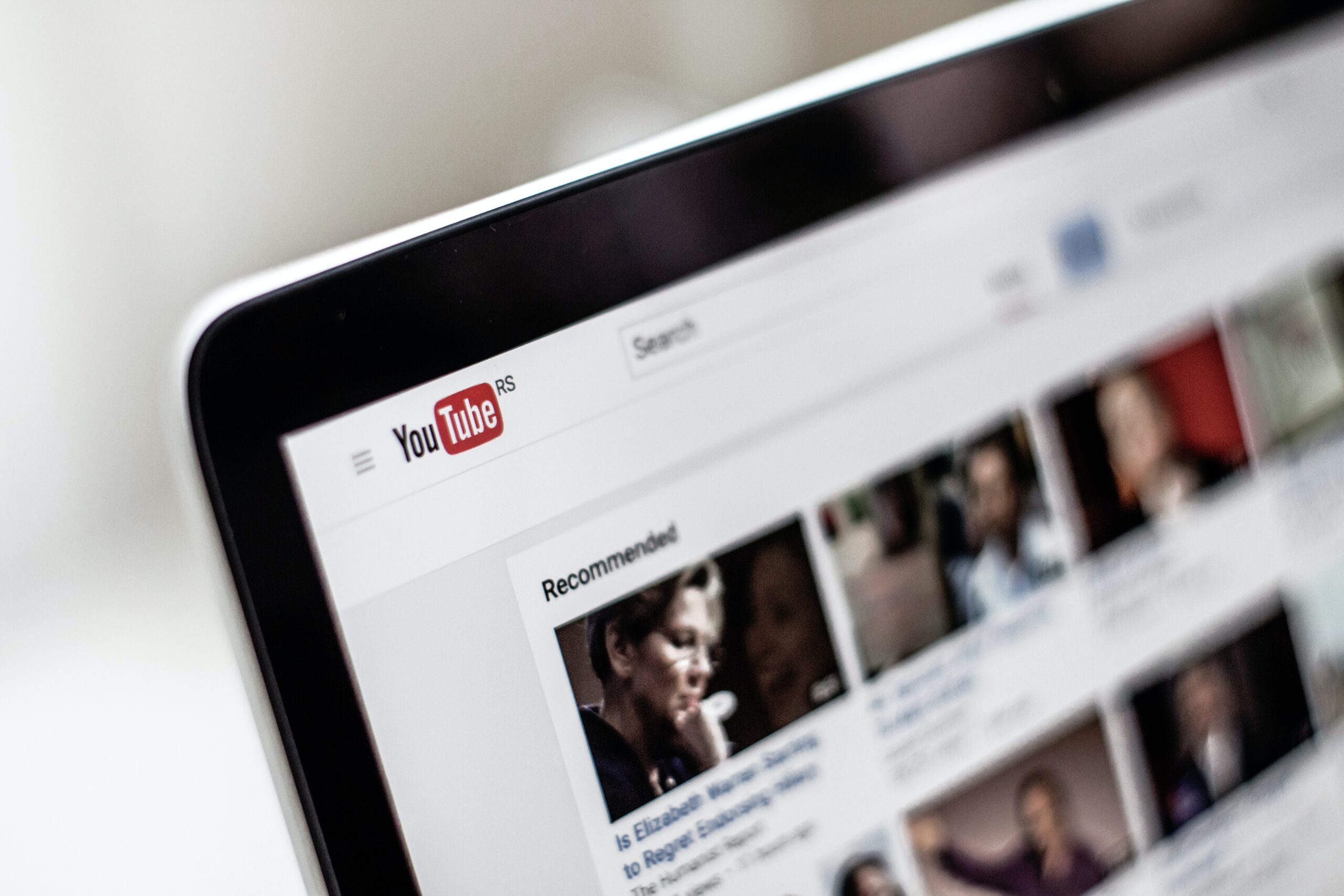
For example, the view count of a video, as well as its runtime, is important to sites like YouTube where certain factors can affect how the algorithm promotes your videos. For longer videos, the recommended length would be longer than four minutes. However, having a video that has a runtime of less than a minute might be better for shorter ads, since most of the time viewers will opt to skip that on their videos if they’re longer.
How algorithms promote videos depends on the platform you’re using. It’s better if you take the time to understand how these platforms use their algorithms to help you maximize your video’s runtime and viewer retention.
4. Content Production & Planning
You’ve set your goals, you know your audience, and you know what platform to use. Now it’s down to the nitty-gritty of things: the production.
Assuming you’re doing all of this in-house, you’re going to need to decide everything from the script, the storyboard, the editing, and the medium.
Is your video going to be acted, voiced, or animated? Answering these questions now helps you formulate plans while keeping your target audience, video length, and budget in mind.
At this stage, it’s important to know how you want to make your video and how you want it to be perceived. It’s also important to keep in mind how creativity can play into this. So don’t be afraid to use outlandish ideas because those usually catch people’s attention.

5. Post-Production
If you think video marketing ends at the video’s release, then you got another thing coming.
Post-production is just as important as pre-production. But this isn’t just about editing your video, it’s all about handling the video’s promotion as well. Once it has been published, you’ll need to boost it on social media, add captions, and tag the appropriate keywords.
This also includes when you want to release the video, how to schedule future videos, and even engage with the community a little bit.
Using the right title, hashtag, and social media buzz can help give your video the attention it needs. Because let’s face it, no matter how creative your video is people still need to click on it.
6. Analyzing Metrics
If your first video does great, then that’s perfect. But if it’s not received well, then use it as the perfect opportunity for improvement.
Reading, analyzing, and understanding these metrics can help you know what you did right, what you did wrong, what people liked, and what people disliked. Once you see how well or how bad your video went, then you can use that data to improve on future videos. This will also help you understand how to make better plans for both pre and post-production.
7. Consider Outsourcing and Other Collaborations
Doing everything in-house can be exhausting for your time, resources, and budget. With all the planning, research, and promotion you have to do, it can take up a lot of time that could be used for more important elements in your business.
To help alleviate the stress you might want to consider collaborating with agencies, production companies, and even influencer sponsorships. They’ll be able to do most of the heavy lifting for you while expertly crafting high-quality videos for your marketing needs.
To the average customer or audience, a company’s choice of branding isn’t something they focus on since people usually won’t dissect or analyze a logo. But what they don’t know is that these logos have more of an effect than we give them credit for.
Any designer worth their salt knows that there’s a lot more that goes into a logo than just picking what shape or color they like the best. It’s important to understand how the anatomy of a logo works and the importance of good design in business.
That’s why we’ll be looking at logos at a much deeper level, touching on the psychology of shapes, the reactions each elicits, and why it should matter to you.
Shapes and How They Work
Many elements make up a logo, and the very foundation of that is the shape.
So, forget about making a logo purely based on aesthetic preferences, because the shape you pick can fundamentally change how your audience sees your company.

Research on visual communications shows that shapes evoke different responses in the human brain, which helps amplify an intended message for your audience. While there are other elements, such as color, font, and imagery, the shape that you chose establishes its foundations and helps drive your brand message forward.
The following list goes on to explain different shapes and how they can impact your logo.
Geometric Shapes
Geometric shapes are by far the most common shapes used for logos and with good reason. These are familiar to us and therefore evoke a clear visual impact on consumers.
For example, circular shapes are a popular choice because they can be a sign of continuity and perseverance. They can help convey a sense of femininity, community, harmony, and security. This is because the roundness of the shape, paired with its lack of points, make it distinct from other shapes and makes it look soft and appealing.
Square and rectangular shapes on the other hand convey a sense of stability and balance in the human mind. These are also often associated with strength, efficiency, and professionalism. You’ll mostly see these shapes used as logos for banks, corporate businesses, and companies that want to convey a sense of security and reliability.
Finally, triangular shapes are associated with dynamic movement, ingenuity, as well as mysticism, and the arts. This can be very powerful and playful depending on how the shape is positioned. For example: having the point upward can help you convey stability and power while having the point downward can give your logo a feeling of energy and purpose. On the other hand, having the point go sideways expresses feelings of movement, speed, and action.
Abstract Shapes
Unlike the familiarity of geometric shapes, abstract shapes can defy the rules and allow you to creatively define your brand. This is because abstract shapes can inspire a variety of ideas or feelings that can be multi-layered or one-note.
Take for example the Nike Swoosh, whenever people look at the logo they associate the brand with the idea of sports, activity, and speed. Meanwhile, the Playstation PS logo helps convey feelings of creativity and fun.
Of course, the logos alone can’t take all the credit when it comes to abstract shapes, because we associate these feelings with them through clever use of marketing. However, that is another strength of abstract shapes. Because of their uniqueness and versatility, you can fit abstract logos anywhere and creatively use them however you want in your branding.
These designs are perfect for catching your audience’s attention and making them interested in your product or service.
Line Shapes
Much like abstract shapes, lines can offer unique flexibility and customization because their orientation can shape the way we perceive that logo.

Vertical lines, often used in the music industry, can invoke feelings of strength, energy, power, and fun. On the other hand, horizontal lines are more tranquil, stable, and calm. You’ll see these lines used by tech-based companies. Vertical lines can also trick your eyes into thinking the logo is narrower than it is while horizontal lines make them look wider.
However, there is another set of lines that can dynamically change how your logo is perceived — curved line shapes. Unlike horizontal or vertical lines, curves showcase feelings of movement, rhythm, motion, happiness, and positive emotion.
These shapes are great at conveying warm feelings and are perfect if your company is looking to form a connection with your audience. If you don’t believe that, just take a look at Coca-Cola and Disney. Both of which have a strong emotional and personal connection with their consumers.
Why Does it Matter
The importance of good logo design in your branding is its ability to convey or enhance your message without needing to explain your sales pitch to the consumer. A good design can help you effectively market yourself while making it appealing and memorable.
While it’s not the be-all and end-all of branding, your logo designs are important for presenting yourself to consumers. It creates associations, feelings, and intrigue in the human mind, attaching meaning to your brand, and aids audience retention.
Stories happen all around us every day — we just don’t often realize it. Some bring delight and relaxation; some others are not for the faint of heart. Even your morning cup of coffee or the computer you work on has stories behind them, leading to other multiverses of stories entangled with each other that ultimately make up your day.
Why Do Humans Love Stories So Much?
So it’s not surprising that in marketing, storytelling quickly becomes the core of any campaign. People just innately love to be told stories. We humans are biologically wired to take in pieces of information and then give them meaning, and stories are part of those recognizable patterns. Our interpretations of these information vary, depending on our individual ways of thinking and perception.

Moreover, stories are avenues for sensory experiences. When we listen to a rather boring, hour-long presentation, the language-processing parts of our brains take the information in, interpret it, and that’s it.
But when we’re listening to a really interesting story, our senses get activated, immersing us in the narrative. The same goes for when we read our favorite novels — the sensory cortex of our brains enables us to see, hear, smell, feel, and even taste elements of the story as if they were real.
In Comes Emotion Marketing
Stories are all about experiences. But from a marketing perspective, stories can also be powerful enough to translate to sales.
Through emotional marketing, that is.
HubSpot defines emotional marketing as “marketing and advertising efforts that primarily use emotion to make your audience notice, remember, share, and buy.” It’s about leveraging the strongest emotions of joy, sadness, anger, fear, or surprise to get responses from consumers.
But what if a person’s emotion doesn’t fall into the basic spectrum of happy, sad, afraid, or surprised? This is where the Emotion Wheel comes in handy.
Source: MBG Mindfulness
The emotion wheel, or feeling wheel, has a lot of different versions but essentially have the same purpose: to help people pinpoint the exact emotions they’re feeling. No two emotions are similarly defined. Much like colors, emotions can extend to different parts of the spectrum, similar to how there’s cyan and cerulean as shades of blue.
This bit about emotions is crucial for marketers to understand, because the specific emotion to be conveyed through the content must be identified. This will shape your campaign — all of your ads, written content, videos, visuals, and of course, your stories.
Emotional Marketing in Action
In short, emotional marketing works by targeting people’s emotions. Mixed with perfect timing, you can engage more people than you thought you would.
Take for example Gillette’s “Perfect Isn’t Pretty” ad campaign that they released just in time for the 2016 Rio Olympics. The story revolved on the less glamorous side of athletes’ superstar status, which entailed tons of sacrifice and hard work for them to even set foot on the Olympics. The emotional ad didn’t even highlight the product Gillette is known for: razors. Instead, it put the spotlight on the brand’s advocacy, earning them a larger consumer base in the process.

And in encouraging people to buy from you, emotional marketing also empowers them to be advocates of your brand through the following:
- Happiness helps increase brand awareness. Good news spreads like wildfire online, especially at this time of a global pandemic when people are constantly looking for things to lift their spirits.
- Sadness brings empathy. Incorporating empathy into your messaging helps people have an altruistic mindset and extend help to others in whatever way they can.
- Fear fosters reliability. Using the element of fear in your advertisements allows people to see your brand as a bringer of solutions, hence their increased reliance on you.
- Anger leads to virality. Content about politics and societal issues encourage people to engage, connect, and be passionate about their beliefs. Clamoring for change can even spark different movements, both online and offline.
Designing an Emotional Ad Campaign
People often rely on emotions, rather than information, when making decisions. Relevance and context is key, and to properly plan your campaign, here are 3 steps:
- Map your customer’s emotional journey. This includes finding out their pain points and their primary reasons for reaching out to you. What do they feel about dealing with these problems? What feelings do you hope to give them once you’ve solved their problems? List down all possible emotions they might be feeling; refer to the emotion wheel if you’re having trouble identifying these.
- Figure out the exact emotions you want to leverage. Don’t pick two main emotions at the same time as this may affect how your story would turn out. Choose one main emotion, then using the emotion wheel, identify other relevant feelings that you can weave into your story.
- Create a mood board. Mood boards can help you further visualize those emotions, as they make their way to your narrative. It can also serve as your outlet for other ideas that may come as you conceptualize your campaign, and so you’d know what specific resources you’ll need.
Final Thoughts
Emotional marketing wouldn’t be effective if all you have are strategies, and you don’t have a story holding your campaign together. Know your audience, be attuned to their emotions, and make sure that your strategy is still in line with company goals.
Want to take your marketing campaign to the next level? Contact us today to learn more!
Colors breathe life to any design. They are a direct visual representation of a brand’s identity; they reflect any mood, and are capable of evoking emotions. Use the wrong color combination on your branding and design, and we can almost guarantee that you won’t be able to convey the message you want to get across. Worse, your brand might not even be taken seriously at all.
For this reason, understanding color psychology is crucial for a successful content marketing strategy.
A Deeper Dive into Color Psychology
Color psychology in marketing has been studied for decades — and for good reason. Roughly 84.7% of consumers say that colors significantly influence their purchase decisions, while 80% say that colors increase brand recognition. This just means one thing: colors can either make or break your product and branding.

While color perception may vary per individual due to unique experiences, cultures, or memories tied to certain hues, there are general concepts about how specific colors work in marketing that should be considered in content creation.
- Red. This color is often associated with love, strength, terror, revolt, and survival. It’s a color so powerful that it can easily awaken states of mind and supercharged emotions, even negative ones. Depending on the context, red may also depict aggression or command attention in an instant, so this color must be used strategically and with caution.
- Yellow. Anything splashed on with yellow is guaranteed to create feelings of glee, cheerfulness, and optimism. It also has the ability to boost confidence and lift the dampened spirits of the person looking at it. However, excessive use of this color may bring about the opposite effect — it may trigger anxiety and fear.
- Orange. The jury’s still out whether orange is well-loved by people or not, but it sure is effective in eliciting immediate responses. An energizing color, orange combines the psychological meanings of red and yellow, and signifies fun, enthusiasm, and motivation. It also stimulates the appetite; this color works best for food brands and advertisements for marketplaces.
- Blue. Ever notice how the color blue is often used in healthcare facilities and wellness centers? It’s because blue represents tranquility, trust, and reliability. But as relaxing as this color is, blue is among the colors that aren’t easily seen, and may make your visual content look dull and distant if not used sparingly.
- Green. While blue signifies peace, green represents healing. It’s a color often associated with nature, growth, and new beginnings. It appeals most to people who love life in general and are attuned to their inner selves; green is effective in striking balance and harmony to any design.
- Purple. This color is an amalgamation of the powers of red and blue — purple communicates spirituality and stability. It’s also known for symbolizing wealth, and has associations with revenue and leadership (explains why Marketo chose this color for its branding).
Sometimes though, you don’t even have to use distinct colors to define your brand. Neutral colors such as black, white, and grey often serve as the base of all other colors, and when combined or used on their own, may convey their own meaning. A classic example of a brand known for using neutral colors is Apple, whose minimalistic logo and branding never fails to represent the tech company’s dedication to quality, clarity, and sophistication.
Words Associated to Colors

Aside from feelings, people are also able to associate colors with words — something that’s important to understand if you want to market effectively. Research by Color Psychology and Color Therapy author Faber Birren revealed the common words or concepts people usually link to colors. Here are some of the findings:
- High Quality – 43% associated it to black; 20% to blue
- Trust – 34% to blue; 21% to white
- Speed – 76% to red; 7% to yellow
- Inexpensive – 26% to orange; 22% to yellow; 13% to brown
- Security – 28% to blue; 16% to black
- Fun – 28% to orange; 26% to yellow
- Reliability/Dependability – 43% to blue; 24% to black
Knowing how much words connect to colors will help you create messaging that would truly resonate with audiences. Appealing visuals + content that match them in every sense = powerful marketing.
Finding Your Best Colors
Let’s go back to what we said earlier about wrong color combinations ruining your brand.
You have more or less 90 seconds to impress a prospect as soon as they look at a piece of your content. How do you know which colors/color combinations would work best?

As you now understand how colors affect people’s perception of things, asking yourself the following questions will help you determine which palette to go for:
- Who are the audiences you cater to?
- What emotions do you want to tie to your brand?
- Do the colors you’ve picked embody who you are as a brand?
Aside from picking a great color combination, testing your colors is important. Check whether the palette you’ve picked enhances the visibility of your CTAs, your social media content gains traction, or if your accent colors don’t clash with your predominant hue.
Take note that design often varies across different platforms, so it’s critical to avoid using a universal look for all channels. Thoughtful A/B testing conversion monitoring would tell you if a certain color combination or layout appeals to audiences.
Colors: An Integral Part of Branding
Colors have the ability to dictate how your audiences will recognize and engage themselves with your brand. They directly impact the way you present your brand to the world, so don’t just go for random, meaningless color choices – go for the ones that best conveys your message and jives well with your market.
Need help in deciding which colors would suit your brand well? We’re here to help! For your design and branding needs, contact us here.
For decades, marketing was considered as the “make things pretty” department of the business world.
However, we now live in a world ruled by figures. Organizations are utilizing data to create more efficient and effective marketing campaigns.
For so long, marketing professionals have relied exclusively on creativity and imagination that they seem to have developed an unspoken understanding that creativity and analytics are polar opposites. A lot of them are scared that data and automation will restrict creativity and reduce innovation.
Many argue that this belief comes from the popular ‘left brain vs. right brain’ psychology. The left controls logic and language, while the right controls creativity and comprehension.
But thanks to new findings in neuroscience, we now know that the ability to perform any task–whether creative or analytical–is strongest when both brains work together.

Add to that, the digital explosion which has catapulted data science to monumental levels, with data-driven marketing and analytics guiding a large part of our marketing decisions and endeavors.
Nowadays, we are witnesses to the evolution of marketing from the “make things pretty” department into the high-stakes position of the “make things profitable” department. More than making things look good, marketers are now expected to prove their contributions positively impact the bottom line. This means meticulous budget tracking, campaign re-evaluation, and trying out new techniques–all in the search for better ROI.
“Creativity without data is just art. But data without creativity is neglect.” – Steve Babcock
The truth is, you’re already making decisions based on data even if you don’t realize it.
Content marketing expert Greg Weinstein notes: “Even when creatives favor instinct over research, they’re still using data they’ve collected through experiences and observation over the course of their lifetime.”
“Technological advancements in market research can supercharge the creative process by providing rich insights into highly targeted niche consumer groups. When used correctly, data is not the enemy of creativity; it can be its most powerful ally,” Weinstein adds.
Art meets Science
Social media influence and demanding millennials are forcing brands to revisit their understanding of how creativity plays a part in their data-centric marketing models.
So does this mean creativity should lead with data following behind? Or is it the other way around? Creative digital strategist Becky Wang says they are both tools that come together in the design thinking process which has roots in the scientific method to solve marketing and communication challenges.

Embrace data but avoid data overload
While it is true that data-driven marketing and data collection enables an in-depth understanding of a customer’s wants and needs, it’s important to remember that innovation is the cornerstone of differentiation. Its inherent capacity to explore the unexplored, think the unthinkable, and innovate–creativity gives us that edge. And without creativity, you would keep repeating what has already been done before instead of conjuring infinite possibilities.
A perfect match
It’s hard to emotionally engage with data. However, the unique insights analytics provide can be a springboard for more unique and compelling creative solutions.
Creativity and data can co-exist and should be the beating heart of all marketing. Data, automation, and analytics, on the other hand, are the guiding tools to help make more effective decisions.
“Marketers have to unite data, creative content, and technology to achieve success. Understanding your audience comes first, but using that information to create more relevant, valuable, creative, and empowering experiences for consumers is the path to greater business success. And that’s the future of how data drives value for brands.” – Lisa Utzschneider
Takeaways
- Analysts and creatives can both find unique insights, interesting connections, and new strategies by looking at data together.
- Using data analytics helps steer creative briefs in the right direction.
- Creatives will have a much better insight into emotional triggers that perform better for specific audiences.
- Data teams can get a better insight into how human behaviors drive the numbers that they’re analyzing.
- Creatives have a good sensibility for human truths and pain points, and data analysts know how to match different data sources to interpret and map these truths for more effective campaigns.