Asking the question what’s the deal with mascots is like asking why people like superheroes. Both are colorful characters with plenty of personalities. And both have the same purpose of garnering attention, brand awareness, and ultimately sell whatever a company is selling — be it cereal or comic books.
A mascot or brand character can serve a vital role in your company’s presentation and marketing, essentially they’re kind of like the personality of your brand, a representation of what your company wants to do, and for the most part, they succeed in doing exactly that.
From Mickey Mouse to the Michelin man, characters bring something to the table that is both eye-catching and marketable. Let’s take a look at how mascots can boost brand awareness and retention, as well as how to effectively use one.
A Face and Personality

Whether you’re starting or looking to rebrand your company’s identity, a character can serve a good role when raising awareness or interest in your brand. This is because it provides a way for customers to attach themselves to the idea of your brand, which allows your company to create rapport with customers without them even stepping foot in a store.
If done well, a character posing as the face of your company not only allows you to make a unique, marketable character for commercials, posters, ads, etc., but it also helps you form a bond with customers.
For example, the Kool-Aid man and how plenty of people make jokes and memes about the iconic “Oh Yeah!” You can also take a look at how Mario has been a recognizable icon for Nintendo since the release of Super Mario Bros. Heck, you can even take a look at how the internet blew up in a craze when Planters decided to kill off Mr. Peanut.
People will generally find attachment to brand mascots as long as they’re presented well in terms of relatability and interest.
How to Make it Work
When it comes to creating a mascot you first have to ask a few questions. Is this appropriate for your brand? How will it fit in your current plans and campaigns? How will it stand out among the competition? Once you’ve decided how to answer those questions, you can begin to create your character. But it isn’t a simple walk in the park.
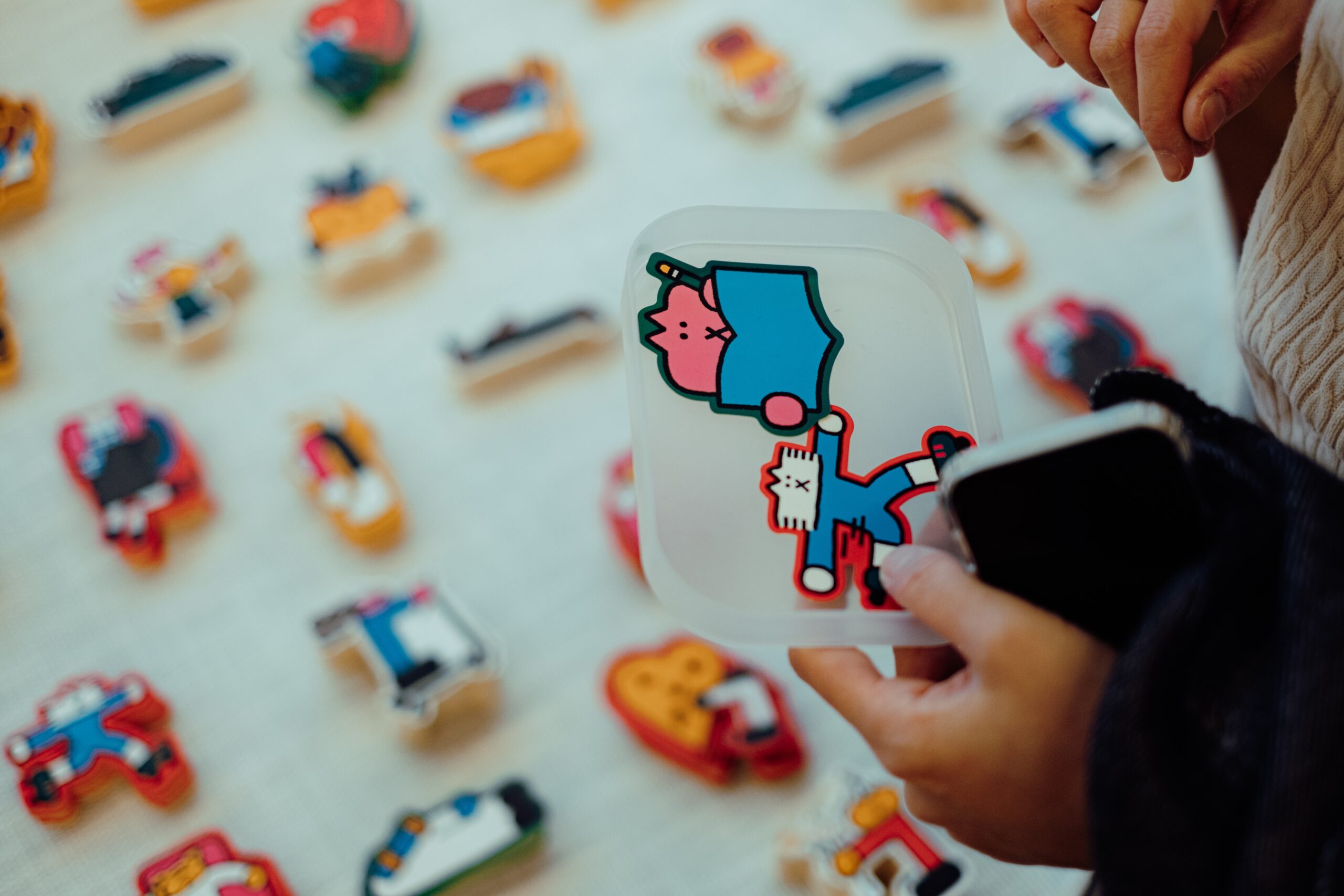
First, you have to determine what personality you want your company to convey.
Do you want a whimsical character to show your playful side, like Mickey Mouse, Ronald McDonald, or Tony the Tiger? Do you want a more professional yet approachable character like Colonel Sanders, Captain Morgan, or Mr. Clean? Or do you want to be a little more abstract and cartoony like The M&M’s Spokescandies, Julius Pringles the Pringles Man, or Jack Box?
The possibilities of creating a personality are endless.
Next is finding a voice. This means making that personality come to life through videos, online text posts, and other media avenues. This part is a vital part of your brand character because if you can’t get the voice right, you’ll end up with a character that might come across as inconsistent and, worse, unrelatable.
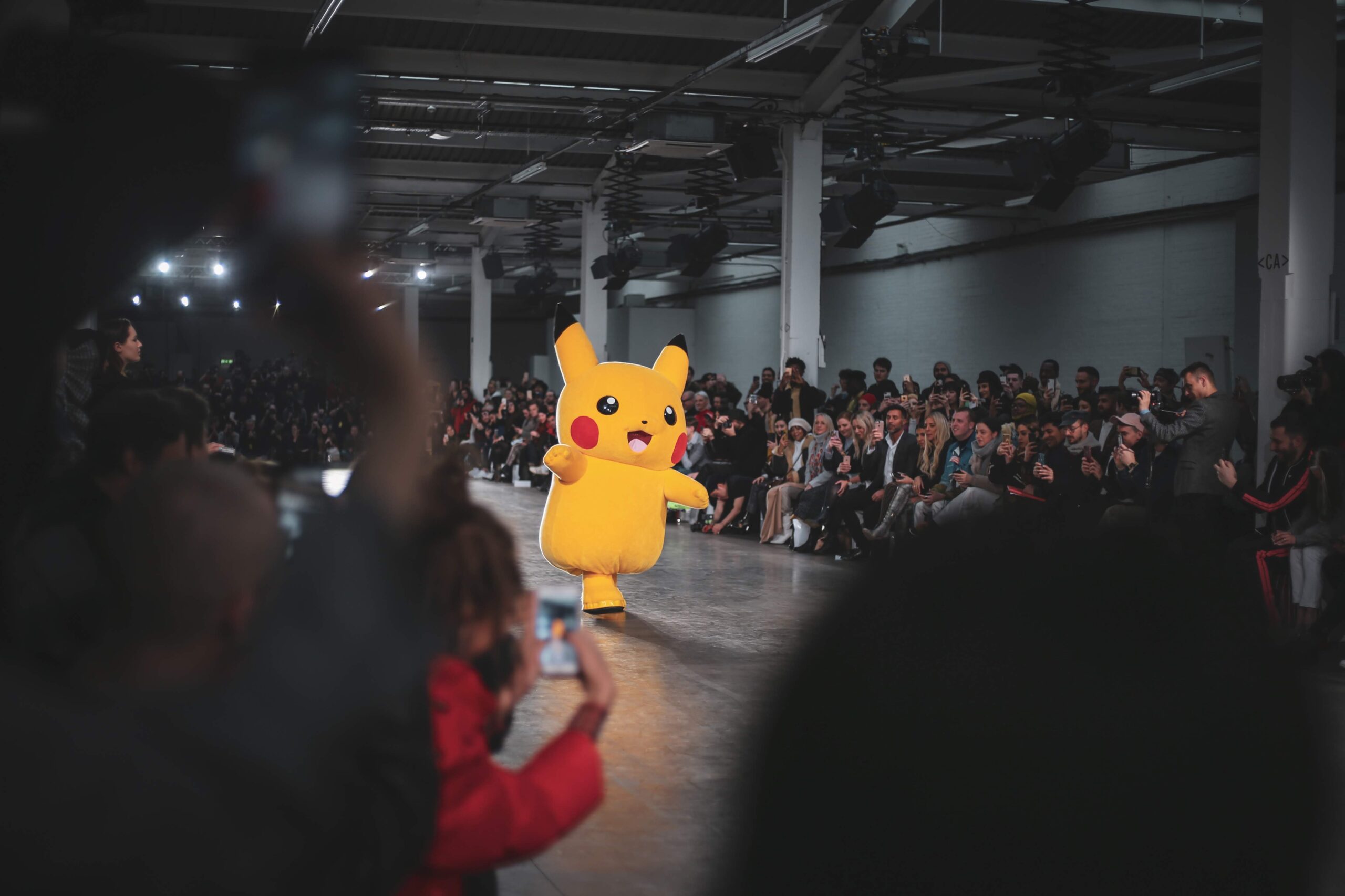
Relatability is the name of the game here, and making sure your mascot can appeal to the majority of people is important.
Take for example Wendy’s personality on Twitter and how customers seem to enjoy her sassy attitude. Or the strangeness of Denny’s Tumblr account, or whatever is going on with the Spanish KFC Twitter account, we don’t know what’s going on with that account, but it’s working.
However, timelessness does become an issue when you have a quirky voice and personality on social media. You can run the risk of being too relatable that it comes off as “trying too hard” or pandering, and you might end up dating your mascot.
A Balancing Act
Finding the right balance when it comes to presenting your character is important. There’s nothing wrong with staying true to your character or not following the wackiness of social media. Plenty of brands do perfectly fine without being extremely snarky, sassy, or meme-y on the internet.
What you’re looking for in a brand character is something that accurately portrays your company’s personality, something you can keep consistent, is relatable, and finally, timeless. Consider approaching graphic designers, artists, animators, and other design professionals to help you come up with something that works.
An explainer video is a short-form video that is used for marketing or sales purposes that highlights a company’s product, service, or business idea in a compelling and efficient way.
Most businesses host explainer videos on their social media or feature them on the homepage of their website. If done correctly, an explainer video can serve as a virtual elevator pitch for your company.
Right now, there are probably millions of existing explainer videos online, and hundreds more are added daily. Consumer expectation is always evolving, so, in no particular order, here are 12 tips on how to create an effective, succinct, and compelling explainer video.
1. Write a compelling storyline with your script
Even the fanciest explainer video would not be effective without a compelling script. The best way to start is to first establish a purpose for the video and your company as a whole. From there, you can now craft a storyline that clearly delivers the message you’d like to convey to your audience.
2. Use The Problem-Solution Script
Use a concise problem-solution script that is not too trivial and not too advanced. Create a purpose inspired by real problems that customers have experienced. Once you settle on one, let your script flow naturally. Start by introducing the audience with a quick explanation of the problem, then describe the steps that lead to a solution.

3. Create A Storyboard Based On User Input
Creating a storyboard helps you organize and flesh out key points you want to highlight. Refine the storyboard by having experts, peers, and regular users review and comment on it. Make sure to meet the audience at their level, not too technical so everyone can understand and follow your message.
4. KISS (Keep it Super Simple)
Modern humans have short attention spans. You can only keep the viewer’s attention for so long. Keep the whole thing short by focusing on these four things: addressing the problem, introducing your product and service as the solution, describing briefly how it works, and then telling them what to do next.
5. Engage in Customers’ Social Comments For Clues
Hire marketing experts to mine consumer data like keyword research, social comments, site search data, and forums to determine tonal clues. These will guide the tone and creation of your video as well as ensure that your message resonates with the audience.

6. Start Strong With Movement And Branding
It is important that the first few seconds of your video feature movement and branding. Movement grabs the viewer’s attention, while branding assists in viewer recall for succeeding videos. Utilize captions to reinforce your key points and accommodate viewers who watch on mute.
7. Avoid Unnecessary Distractions
Explainer videos should be straightforward in explaining your service or product. There is a temptation for creatives to overdo it by overcrowding the presentation with unnecessary things. Fewer distractions mean a more focused audience.
8. If You Ain’t First, You’re Last
We are living in a world where instant gratification is a requirement. Avoid long, drawn-out dialogue and backstories. The video should be short and straight to the point because viewers want to receive answers fast. You can always redirect them to your website for additional information.
9. Use Graphics To Add Understanding
Using graphics in your explainer is a great way to add understanding and context to the story you are trying to tell. One good example of a company that does this well is Vox. They use illustrations and images to break down topics, and that is why they appeal to sound and visual learners.

10. Don’t Shortchange The Production Quality
Audiences today, especially the younger generation, are very particular when it comes to aesthetics. Your product, service, and message should not just be useful or practical, they also have to look and sound good. This also applies to your explainer. If you skimp on the production budget, you might go viral for the wrong reasons.
11. Answer The Burning Questions
This one might seem obvious, but it is often overlooked: In addition to being aesthetically engaging and entertaining, your explainer video should answer the audience’s FAQs.
12. Benefits Over Features
Your product or service can be the most innovative thing out there, but what is in it for the consumers? Instead of showing off the features, tell them more about the benefits and then back them up with real reviews, genuine accolades, and authentic awards as social proof.
Bonus Tip: Hire Influencers To Boost Traffic
Your company or brand’s message will get more credibility and feel more authentic if your explainer features an equally credible and popular personality audiences relate to. Doing so will also get you more traction on social media via that influencer’s existing audience.
Say what you want about millennials (young adults between the age of 22-37) and Gen Z (currently between 10-22 years old), but ‘Millzys’ are reshaping society and the way companies do branding and business through their increased social awareness and eccentric tastes.
Aesthetics are vital…
Contrary to what baby boomers might tell you, the Internet has been around since the early 80s. But in just a short time, Millzys have made it their own.
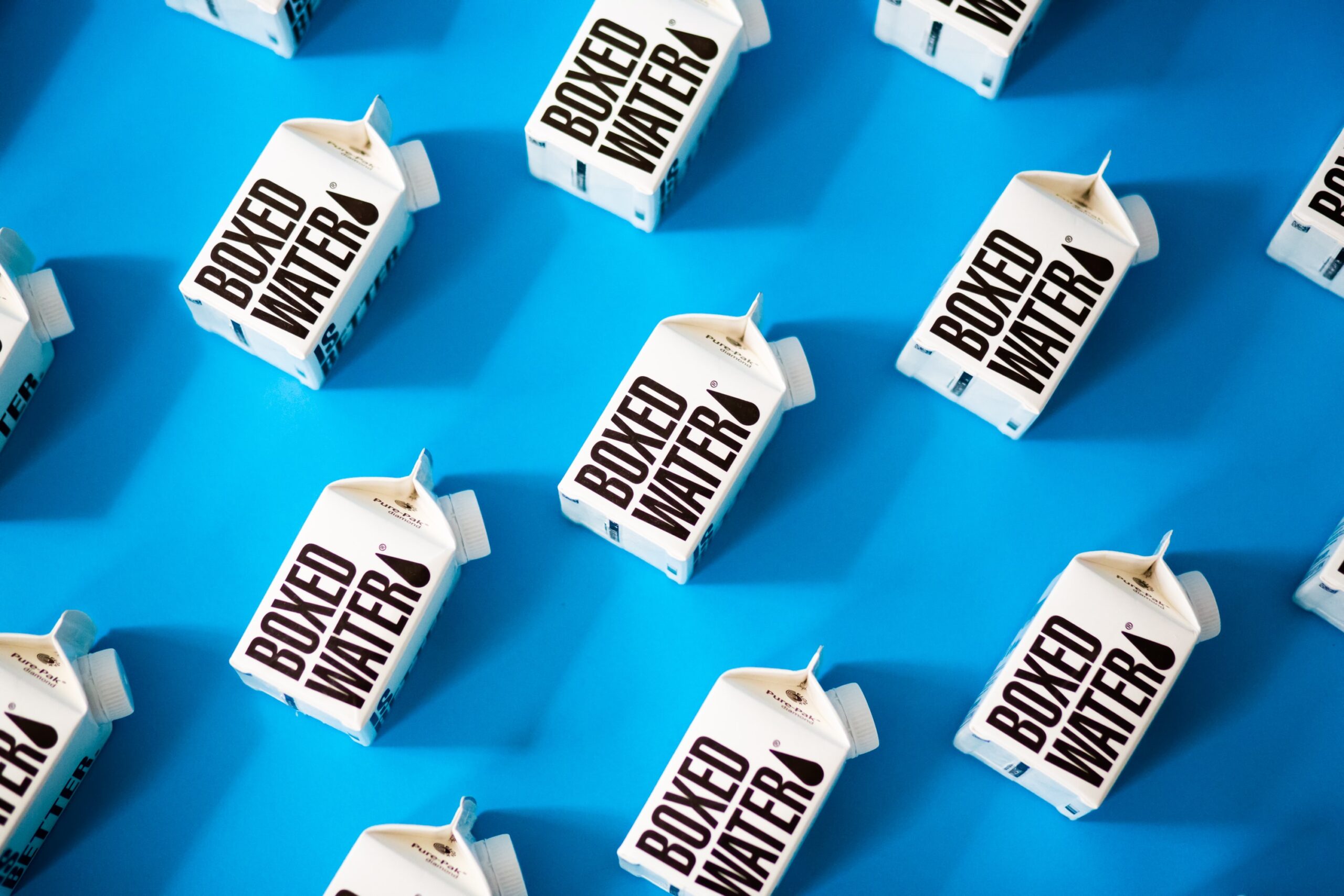
They have launched a new digital revolution where aesthetic is king — just ask the 1 billion (and counting) users who log on to Instagram every month. This means short captions and attractive visuals are the winning formulae to catch the fleeting attention of people online.
These should not come as a surprise because humans, after all, are highly visual creatures that can process images up to 60,000 times faster than written text.
Companies and brands know this, and that’s why their services or products can no longer be just functional or practical, but they also have to be a thousand times visually appealing to become popular.
Just take a look at Apple or Tesla products, they are not only high quality but also have sleek designs. Consumers gravitate towards these brands because their aesthetics elicit pleasant emotions in the buyer.
…but it’s not everything
We have established that aesthetics is vital to the whole operation of attracting eyeballs. But companies can’t just coast off their looks, they also have to stand for something or some things. Millennials are not just looking at the what, they are also asking the whys.
Brand purpose is important in their decision to associate or buy from a brand. Companies cannot just produce an item, buy a billboard, and hope a catchy slogan would be enough to get into the hearts and wallets of young people. You can’t “Mad Men” your way to the top anymore, you now also have to sell the purpose of your company.
Of course, this is easier said than done. There are hundreds of brands that couldn’t quite get it right, even if their hearts, as they say, are “in the right place.”
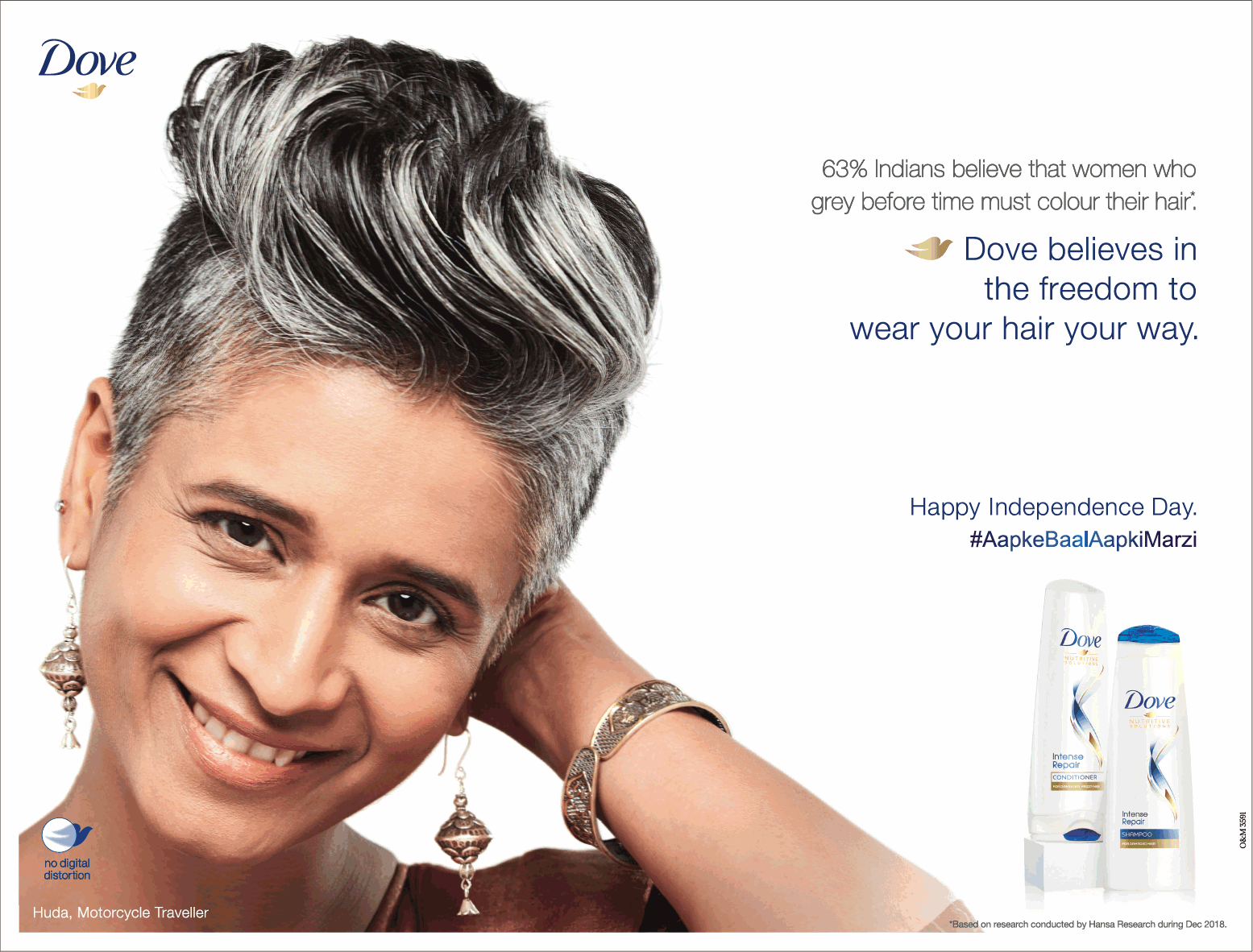
Simply adding emotion to a TV spot or two will not cut it anymore. You need to embody their purpose (and values) then practice it consistently. It should be authentic, sensible, and consistent in everything you do. After all, brand management is building trust with the consumer.
One good example of a brand that really does this well is Dove. In a way, they can be considered as the forefathers of purpose-driven marketing. In the mid-20th century, Dove was just like any other soap brand that talked about how their products will make you attractive. Years went by before they realized that they were feeding into the idea that there was only one version of beauty; they had created a standard for women to live up to. Dove saw this as a growing problem and adapted to find a new purpose.
Since 2004, Dove has completely changed how they communicate. They’re advocating for women and redefining beauty in the 21st century. They don’t even talk about soap in their ads anymore. Through communicating their purpose, their sales have exploded from $2.5 billion to $4 billion after the shift.
Spread the message
It’s not enough to have a strong brand purpose — you have to send the message across to your target market.
The most logical place to do this is through social media. But unlike traditional media (TV, radio, and print), you are no longer competing with other brands, you are also up against millions of funny memes, cat videos, and a million other things.
You need to grab people’s attention with compelling, genuine, and snappy content. In addition, you must start conversations, create a diverse content calendar, and use popular and niche keywords to reach a specific audience. Doing so will garner a response from the public and can potentially make them fall in love with your brand over time.

The kids are alright
It’s so easy to brush off Millennials and Gen Zers as eccentric and difficult creatures.
But that is simply not the case.
They are intelligent, compassionate, creative, and hardworking people from a digital-savvy time. They are socially aware and associate themselves with brands that champion their beliefs.
Social media plays a huge role in their decision making and that includes their purchasing capabilities. If you take the time to study, learn, and implement these principles to your practices, it will be much easier for your brand to communicate with the next generation.
Any designer worth their salt knows that in order to capture the elusive attention of today’s audiences, going visual in your marketing collateral is key.
Particularly for your website that contains all vital information about your brand, its design could either make or break customer engagement, especially when you only have a few precious seconds of opportunity to reel visitors in.
Planning to build (or rebuild) your website soon? Here are 5 principles of a good web design to guide you so that you can drive sweet traffic and conversion to your page in no time!
1. Messaging gets your website noticed.
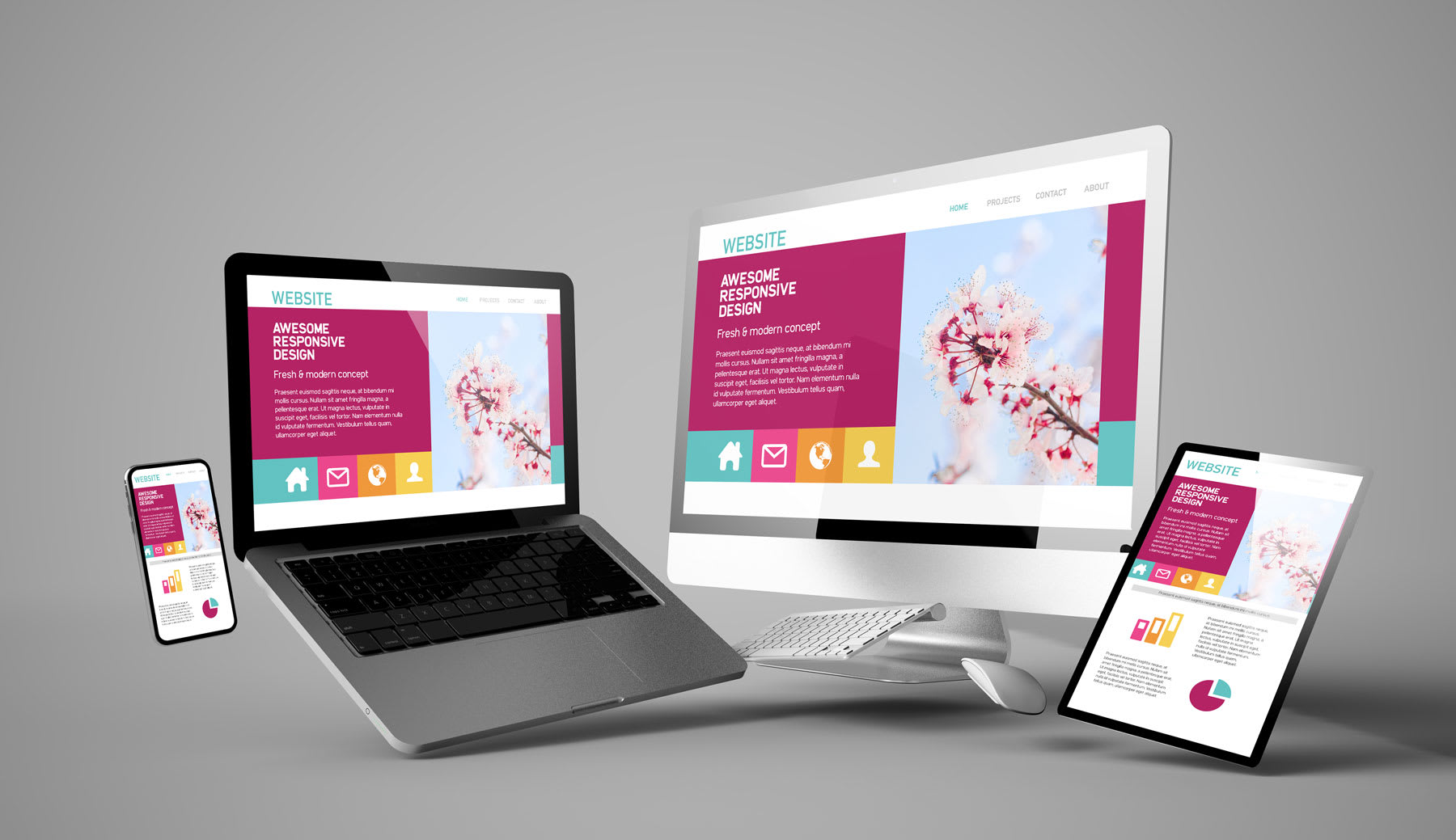
Visitors expect clear-cut messaging when going to your website, especially if you’re a nonprofit or have an ongoing campaign drive.
In general, your website should be able to effectively communicate the purpose of your product or service, tell your brand narrative, and provide users with a different view of what your business has to offer.
Calls-to-action (CTAs) that are easily accessible work well in encouraging people to take part in your business initiatives, all while promoting your products and services.
Remember, even if you have a good interface but your website is devoid of messaging, you won’t be able to reinforce customer engagement.
2. The content that resonates, converts.

People love being told stories — from a marketing perspective, these stories humanize a brand and influence customers’ purchase decisions. This underscores the importance of having substantial, well-thought-of content in your website.
That said, the way you craft your content should be consistent with your overall branding. It can be in the form of blog posts, videos, newsletters, and the like.
Use a conversational tone when telling your story, as opposed to blurting out content that sounds too much of a hard sell which, frankly, no one really wants. Build your content as you build your website design — one should not lag behind the other and both should be compelling in equal ways.
And of course, don’t forget to use header tags! These help web crawlers in ranking your page on search results and boosts your online presence.
Give your audiences the content they want to see, content that is meant to give value and focus on them.
3. Visuals are the name of the game.

And what would any website be without… *drumroll please* …visuals!
Every design element — colors, photos, graphics, buttons, and typeface — has a role to play in shaping the perception of visitors.
The right mix of text and visuals keeps readers from getting bored or overwhelmed from too much reading, and a straightforward design is more likely to get them to stay on your page for a longer period of time.
Simply put, your layout matters. A skilled designer would know which colors and fonts to combine together, how to use white space, and how to strategically position them across the layout.
A superb layout is one that doesn’t overpower the reader and is a breeze to navigate. But a trick of the trade is to have a brand style guide that you can adhere to not only for creating your website, but for other assets as well.
4. Your users are already on their phones.

Americans spend an average of 5-6 hours on their phones daily, and with the increase of reliance on mobile devices and shortening of attention spans comes the need for mobile-friendly content and webpages.
A great example of this is tech giant Apple Inc.’s official website. The company is known for its highly intuitive webpage, providing users with eye-catching product visualizations partnered with a seamless shopping platform so customers can find everything they need in one place. Their website is also excellently mobile-optimized, with an incredible adaptive design that reveals itself when viewed from mobile devices.
Furthermore, Google’s algorithm prioritizes mobile-optimized websites in search result rankings. So unless you want your site to be in pages 2 to infinity of Google, you might want to consider building a mobile-friendly website soon.
5. Navigation can help you win.
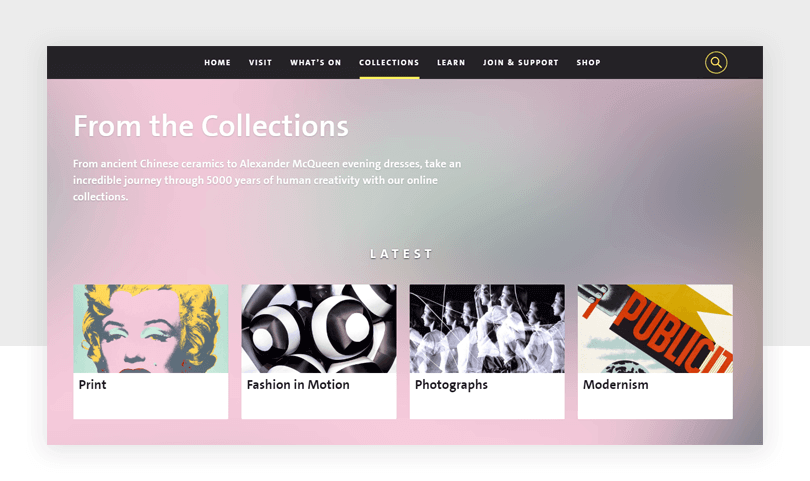
Navigation is one of the most basic yet important principles of a good web design. It’s about putting a search system in place to help visitors find what they’re looking for right away, thus, it’s a part of your website that should not be confusing. Just keep in mind the 3 characteristics of good website navigation: intuitive, simple, and consistent.
Website Woes? We’ve Got You Covered!
A well-designed website allows for a superb user experience that could translate to revenue in the long run. Need help in curbing bounce rates and building your website to increase your online visibility? Contact us today to learn more!
A good logo will always be recognizable but a great logo is timeless. When designing or creating a brand for your company having a logo is probably one of the first things you think about; everything from text, symbols, and even color. But the best logos in the world aren’t only easily recognizable, they’re also timeless.
Think about some logos off the top of your head. Immediately you’ll think of logos that have been around for quite some time and haven’t changed throughout the years. Sure, they’ve been changed here and there but the general design has stuck. But we’re not here to recount the history of logos. We’re here to find out why and what makes logos timeless.
It’s Overrated
First thing’s first, regardless of what type of logo you’re using or going to use, whether it’s a wordmark, an icon, or an abstract image, logos are inherently meaningless and a little overrated. At least that’s what Graphic Designer Michael Bierut thinks, and with good reason.
Logos by themselves don’t really do anything to make one’s business more recognizable or more popular than the other. What makes a logo work fantastically for a business is how well it can be used to associate the company’s services or products via marketing or labels on the product itself.
A good example of this is Nike. Nike has marketed their logo so well not just on its products but on commercials, billboards, and a plethora of other things to make us associate athletic performance with Nike. Another good example of a timeless logo is the Apple logo. Sure, it’s changed from the rainbow apple to a nice chrome apple, but the logo is so recognizable due to how well they integrated that logo into their company marketing as a whole.
Once you know what you want to do with your logo, then you’ll find success in making the face of your brand memorable.
So how do you make a logo that’s timeless?
Keep it simple

When it comes to making a logo, you want to keep it simple. Because customers won’t hone in on a logo, if anything they’ll just look at it for less than a second before looking away, and with that in mind you really can’t have a complicated logo.
You have to make sure the logo is simple enough to catch someone’s attention while making sure you’re able to convey what your company does as well as its personality in that split second of attention. Some great examples of this are Disney’s simple and whimsical wordmark which showcases the magical world of Disney, McDonald’s with its iconic golden “M” which shows the happy vibe they want to portray, or the Twitter bird which showcases their mascot while harkening back to “tweets”.
Make it relevant
There are plenty of ways to tie your logo into what your business or product does, and even your target market. For example, Playstation’s logo is a racetrack that makes the letters P and S. This not only shows Playstation’s initials but it also illustrates that the product is about games.
Another good example is courier services logos, which typically depicts trucks, boxes, or mails. They are able to tell a story that clearly communicated the company’s products and services. Point is, whether through abstract design, color choice, or imagery you can find many ways to tie what the business or product is about to the logo. This leads us to our next point.
Develop it to be flexible
Here we have logos that are so easily recognizable that no matter what you do to them, it will still be recognizably your logo. These are called logo systems. Basically, you have a single static logo that serves as a graphical framework that can shift and change to anything you want while still keeping the base framework.
Examples of this can be the MTV logo that they changed up graphically through video commercials. Google also does this whenever there’s an event or holiday to be celebrated. Having a flexible logo means you have several chances to catch the customer’s attention by playing into what is recognizable and then putting an interesting spin to it.
Create it to be a classic
Finally, if you want a logo to last a lifetime, a logo that can be refined but not completely changed, a logo so recognizable that it’s ageless, then you’re going to need a logo that you’re willing to stick with.
This is because when you want to make a logo timeless, you have to avoid designs that can easily become dated such as following fads or trends. While there isn’t anything bad with following a trend, it’s important that your design is able to take what makes these trends “trendy” beyond a surface level and apply it to your logo.
Logos that stand the test of time typically focus on the basics, like colors, font, and simple design features. If you want good examples of this just take a look at the logos of fast-food joints, Pepsi, Coca-Cola, or the logos of TV Channels.
At the end of the day if you really want to make your logo recognizable, attention-grabbing, and timeless then it comes down to good design and good marketing. A well-designed logo can be the face of your business for decades but it’ll only be as good as you make it.